

A Brief History
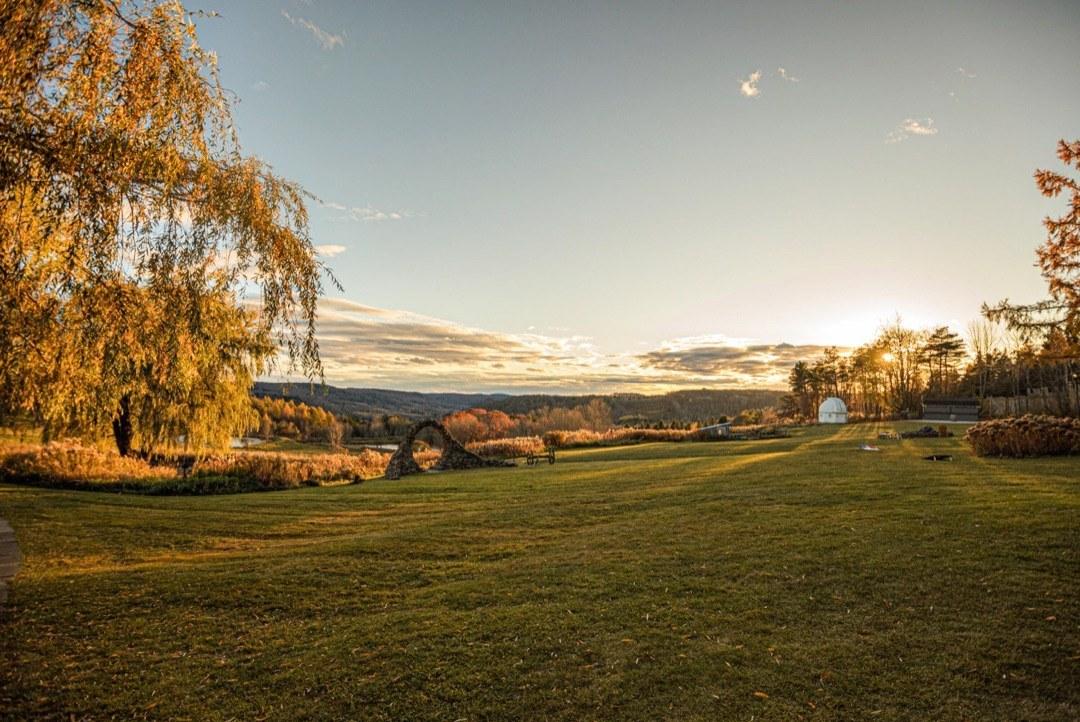
The artist who shaped this land.
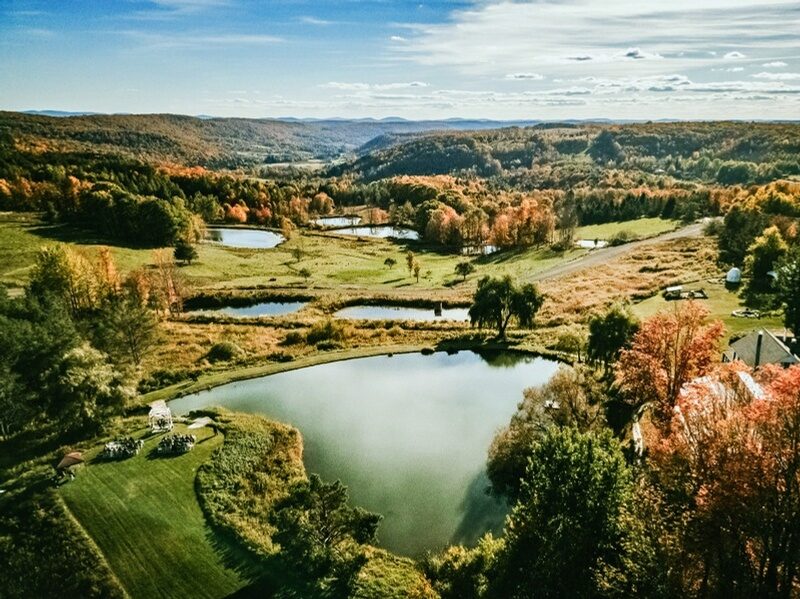
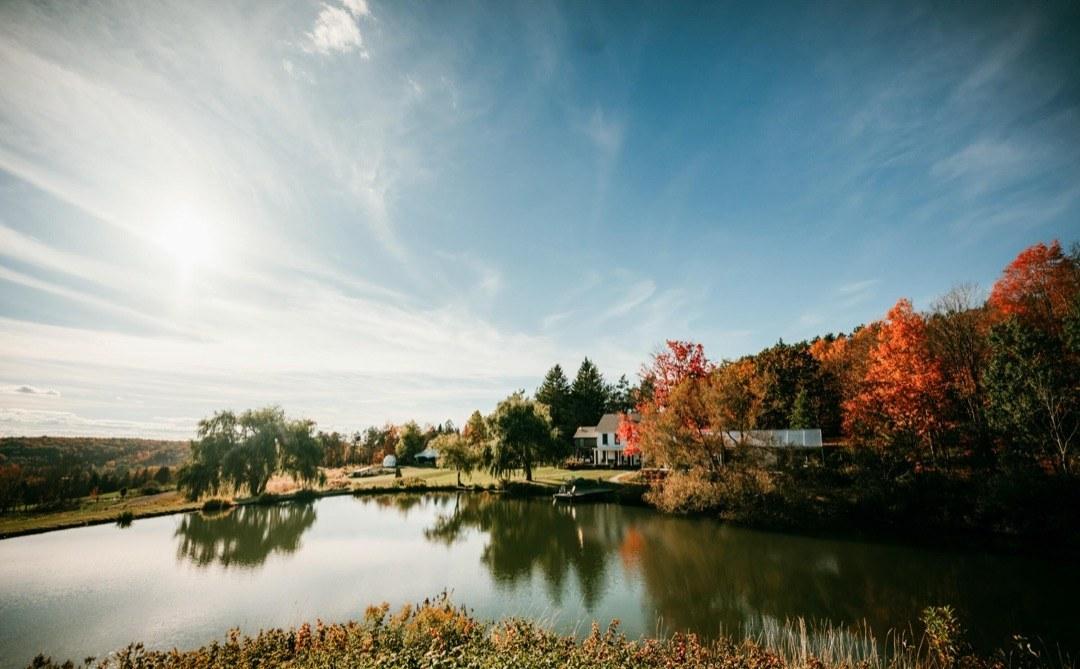
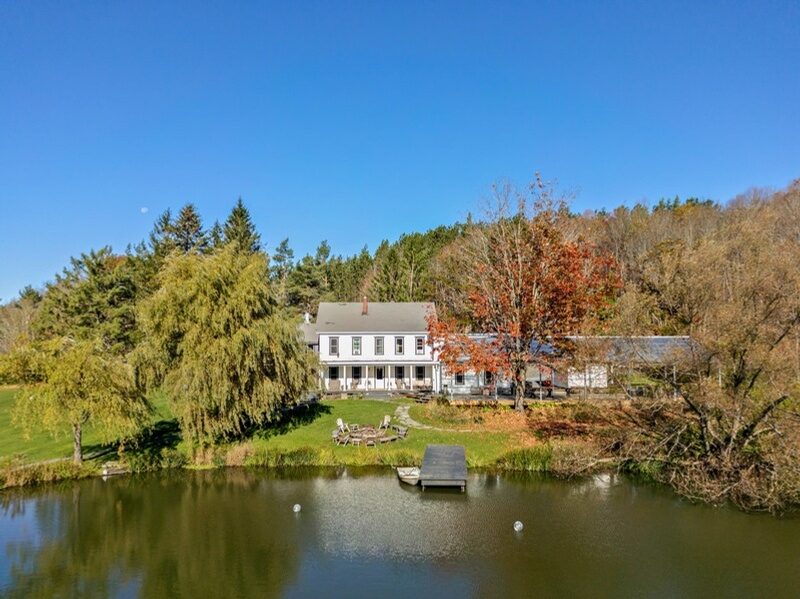
From 1969 to 1989, Twelve Ponds was the home and studio of Wojciech Fangor (1922–2015) — one of the most consequential Polish artists of the twentieth century, and the first Polish artist ever to hold a solo exhibition at the Solomon R. Guggenheim Museum.
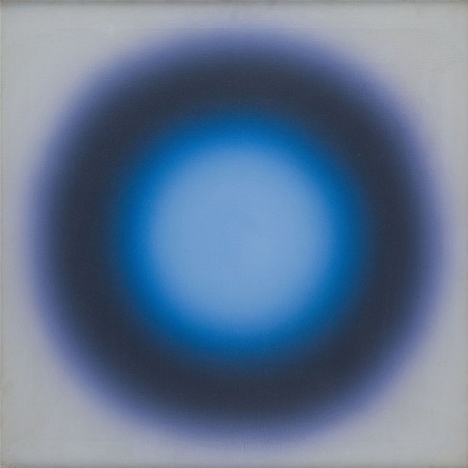
Already internationally famous when he settled in the Catskills — celebrated in MoMA's landmark 1965 exhibition The Responsive Eye and a 37-painting Guggenheim solo show in 1970 — Fangor spent two of the most prolific decades of his career here, developing his "inter-interior" paintings of blurred circles and pulsating color fields.
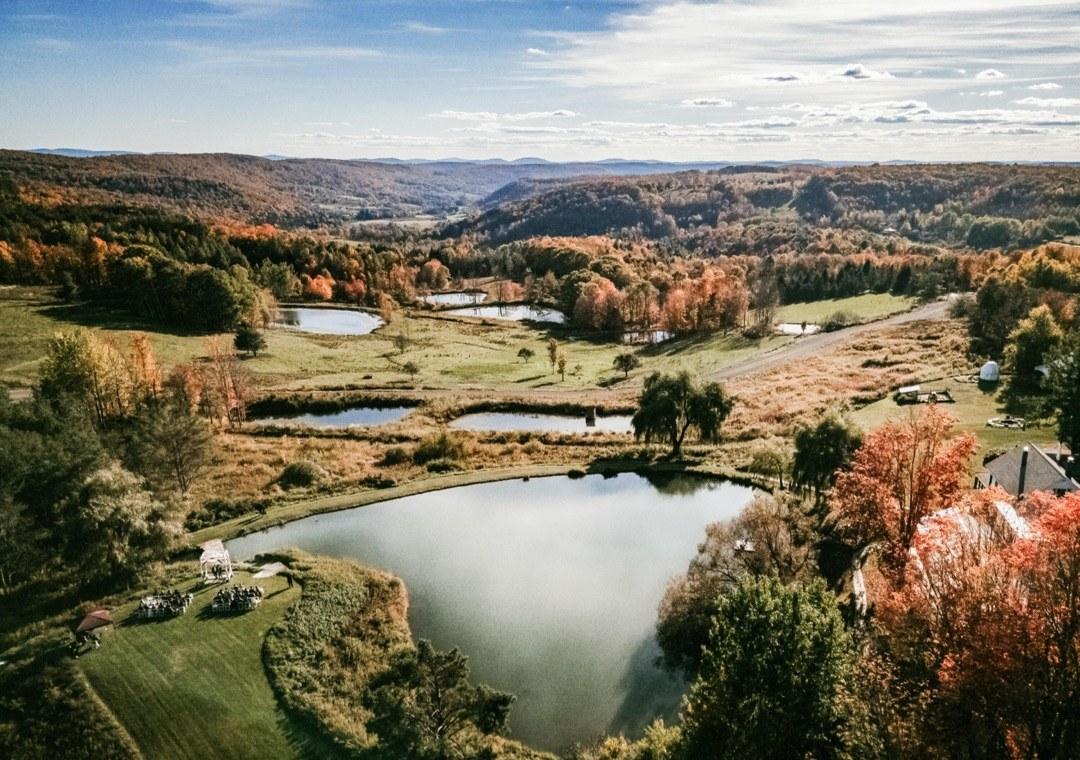
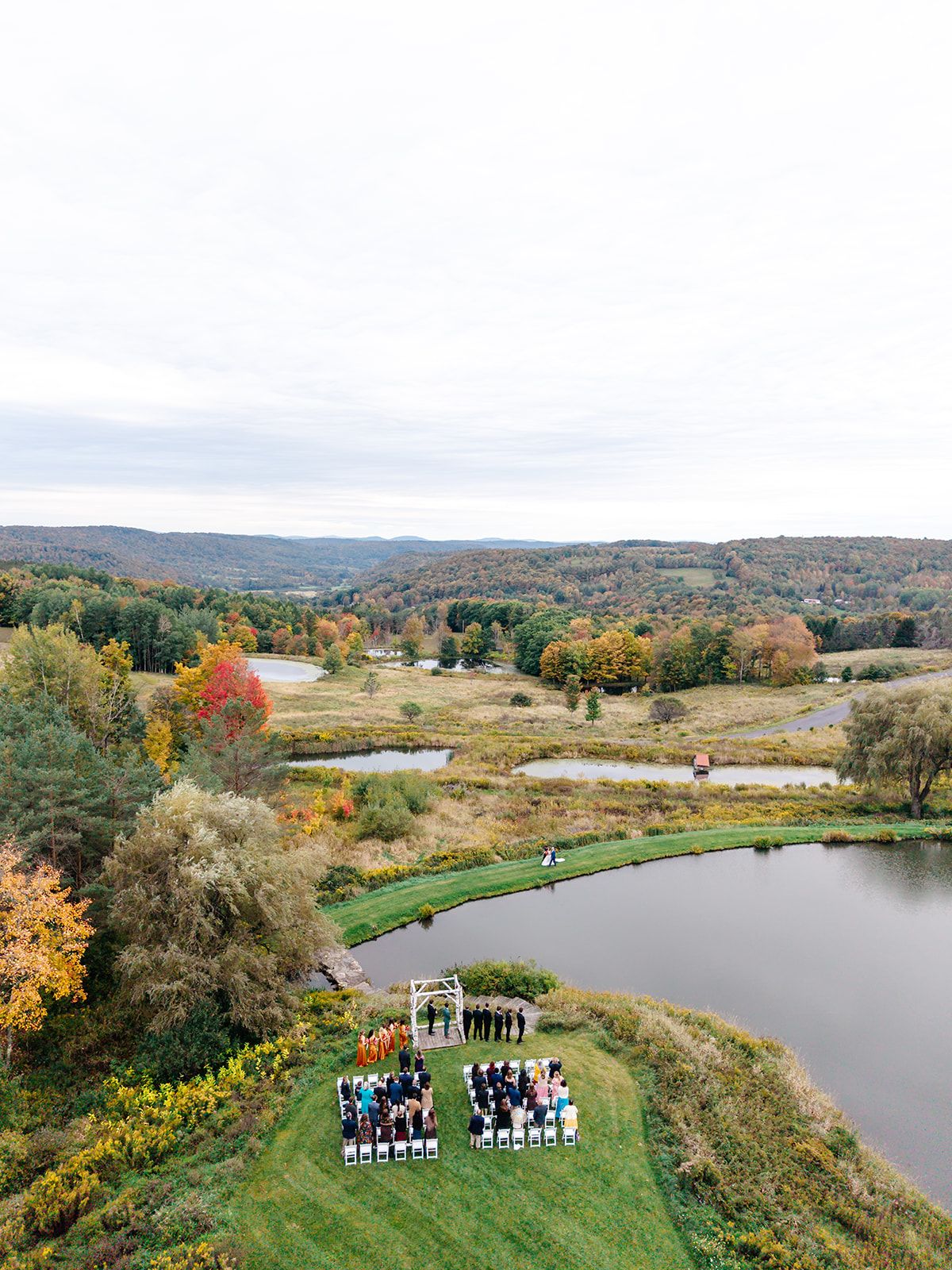
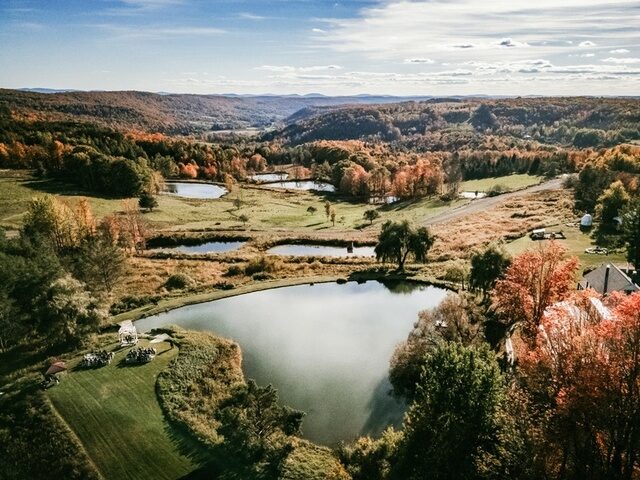
A lifelong astronomer, he channeled the same devotion into the property itself. In 1983 he designed and built the wooden observatory that still stands at the edge of the meadow. Fangor and his critics alike have acknowledged that the experience of watching celestial bodies pulse and blur through a lens was the visual DNA of his most iconic paintings.
He left behind a landscape that shaped two decades of his greatest work — and an observatory built by his own hands.
"M 10," 1969 — part of Fangor's exploration of positive illusionary space, painted at Twelve Ponds. Image courtesy of the Fangor Foundation.